
 By Lancelot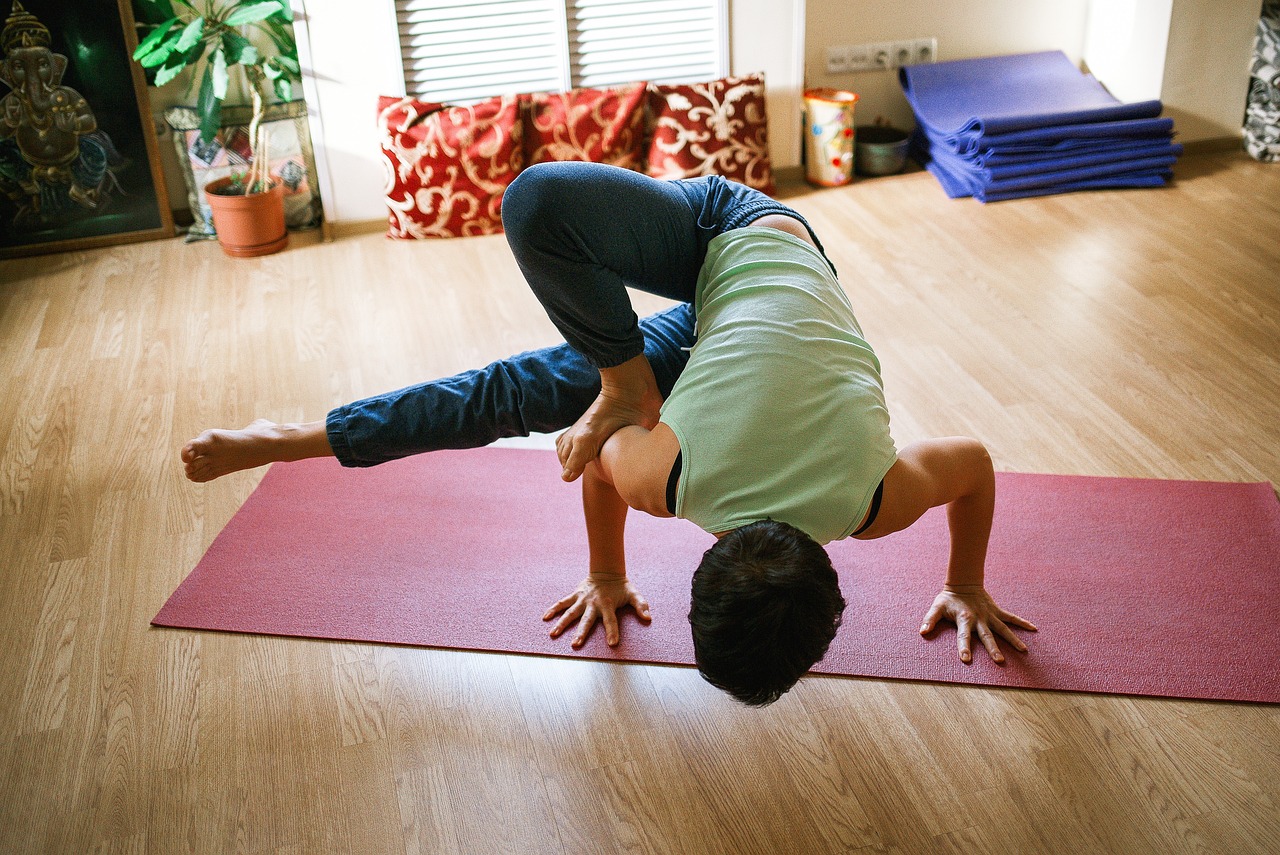
Embracing the Present: The Power of Mindful Movement
Understanding Mindful Movement
Mindful movement refers to the practice of engaging in physical activities with a focused awareness on the body and its sensations in the present moment. This concept stems from mindfulness, which emphasizes being fully present and engaged in the current moment without judgment. Activities such as yoga, tai chi, and even walking can become mindful movements when performed with intention and awareness.
The Benefits of Mindful Movement
-
Stress Reduction
Mindful movement has been scientifically proven to reduce stress levels. When one practices mindfulness in movement, it activates the relaxation response, decreasing cortisol levels and promoting a sense of calm. -
Enhanced Focus
Focusing on bodily movements can sharpen mental clarity. Through concentrated awareness, practitioners find it easier to sustain attention, thus enhancing productivity in both personal and professional settings. -
Emotional Regulation
Engaging in mindful movement encourages emotional awareness. By tuning into physical sensations, individuals can better process emotions, leading to a healthier emotional state and improved mental well-being. -
Improved Physical Health
Mindful movement promotes better posture, flexibility, and strength. Regular practice can lead to improved muscle tone, enhanced mobility, and reduced chronic pain, contributing to overall health and longevity. -
Enhanced Mind-Body Connection
Mindful movement strengthens the connection between body and mind. As individuals pay closer attention to their bodies, they develop a better understanding of their physical needs and limitations, cultivating self-compassion.
Popular Mindful Movement Practices
-
Yoga
Yoga is one of the most recognized forms of mindful movement. It combines physical poses, breath control, and meditation, allowing practitioners to connect deeply with their bodies. Various styles, such as Hatha, Vinyasa, and Yin, provide unique pathways to explore mindfulness through movement. -
Tai Chi
Originating from martial arts, tai chi is characterized by slow, flowing movements and deep breathing. It emphasizes balance, coordination, and mental focus, making it an effective way to cultivate mindfulness in movement. -
Walking Meditation
Walking can be a profoundly mindful experience. In walking meditation, each step is taken with awareness of body sensations, breath, and the environment. This practice can can seamlessly integrate mindfulness into daily life and promotes a sense of grounding. -
Dance
Dance allows for self-expression while fostering mindfulness. Whether through structured classes or freestyle movement, the rhythm and flow of dance encourage participants to connect with their bodies emotionally and physically. -
Martial Arts
Practices like karate, judo, and kung fu incorporate mindful movement through focused physical training and mental discipline. The awareness needed to perform techniques correctly translates to a deeper understanding of one’s body and mental state.
How to Start Practicing Mindful Movement
-
Choose the Right Environment
Select a calm and peaceful environment for your practice, free from distractions. This could be at home, in a park, or a specialized studio. Ensure the space promotes relaxation and focus. -
Set an Intention
Before beginning your mindful movement practice, set a clear intention. It could be as simple as being present, relaxing, or cultivating strength and flexibility. An intention acts as a guiding principle throughout your practice. -
Focus on Breath
Integrate breath awareness with movement. Pay attention to your inhales and exhales, synchronizing them with your physical actions. This provides a rhythm to your practice and anchors you in the moment. -
Engage Your Senses
While moving, engage all your senses. Notice how the ground feels beneath your feet during walking, the temperature of the air on your skin, or the sounds around you. Engaging the senses enhances awareness and creates a fuller experience. -
Practice Regularly
Consistency is key to cultivating mindfulness. Aim for short daily sessions of mindful movement, gradually increasing the duration and intensity. It could start with just 10 minutes a day, allowing you to build a sustainable practice.
Overcoming Common Barriers
-
Time Constraints
Many individuals feel they do not have enough time for mindful movement. However, even brief sessions can be impactful. Incorporate mindfulness into everyday tasks, such as walking between meetings or stretching during breaks. -
Perception of Physical Ability
Concern about physical limitations can deter individuals from practicing mindful movement. It’s important to recognize that movement can be adapted for all bodies. Start with gentle movements and honor where your body is on any given day. -
Impatience with Progress
Cultivating mindfulness takes time and patience. Embrace a growth mindset, understanding that each practice is unique. Celebrate small moments of awareness rather than focusing solely on long-term goals. -
Self-Judgment
Mindful movement is a judgment-free practice. If critical thoughts arise, acknowledge them, and gently bring your focus back to your breath and body. Self-compassion plays a vital role in the journey toward mindful movement.
Incorporating Mindful Movement into Daily Life
-
Mindful Commuting
Turn your commute into a mindful movement practice, whether by walking, biking, or using public transport. Pay attention to your surroundings, sensations, and breath during this time. -
Stretch Breaks
Incorporate mindful movement into your workday with short stretch breaks. A few minutes of focused movement can refresh your mind and body, enhancing productivity and well-being. -
Mindful Eating
While it’s not a physical movement in the traditional sense, applying mindfulness to eating practices can be transformative. Taking the time to appreciate flavors, textures, and the physical experience of eating brings movement into the eating process. -
Family Activities
Engage with family through mindful movement. Outdoor activities like hiking, playing sports, or simply walking can cultivate an appreciation for both nature and each other’s company. -
Create a Home Practice Space
Establish a dedicated space at home for mindful movement. It doesn’t need to be elaborate; a small corner with a mat and a few props can serve as a sanctuary for your practice.
The Role of Mindful Movement in Mental Health
Throughout the years, studies have revealed the profound effects of mindful movement on mental health. Regular engagement in these practices often results in lower levels of anxiety and depression. While traditional methods of mental health treatment continue to hold importance, mindful movement provides an accessible and enriching supplement.
Moreover, individuals who practice mindful movement frequently report improved self-esteem and body image. This highlights the significance of the relationship between physical activity, mental well-being, and self-acceptance.
Conclusion
While this article does not formally conclude, the journey of embracing mindful movement continues. To truly harness the power of mindful movement, commit to exploring different practices, maintain regularity, and remain open to the evolving nature of your personal experience. This practice not only enriches your own life but may also inspire those around you to embark on their own paths toward awareness and presence.