 By Lancelot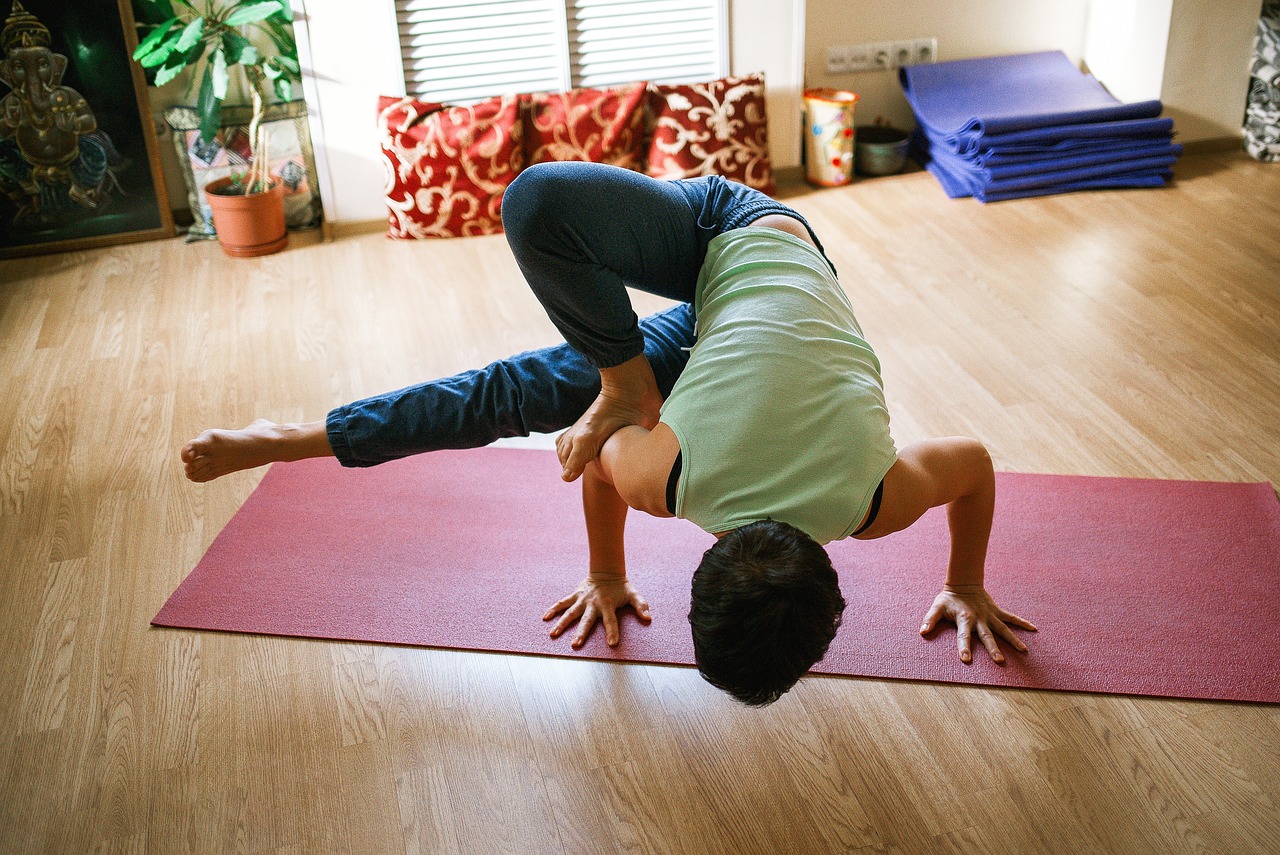
Exploring the Eight Limbs of Yoga: A Path to Self-Discovery
Yoga is a profound practice that transcends the physical postures commonly associated with it. The Eight Limbs of Yoga, as delineated in the Yoga Sutras of Patanjali, provide a holistic framework for spiritual growth and self-discovery. Each limb interconnects with the others, guiding practitioners towards a deeper understanding of themselves and their place in the universe.
1. Yama: Ethical Guidelines for Relationships
Yama is the first limb and focuses on ethical disciplines in relation to others. It comprises five essential principles:
-
Ahimsa (Non-violence): Cultivating compassion toward all beings, protecting oneself and others from harm in thoughts, words, and actions.
-
Satya (Truthfulness): Encouraging honesty in our interactions; truthfulness requires a commitment to authenticity and transparency.
-
Asteya (Non-stealing): Beyond material possessions, this principle encompasses stealing time, ideas, and energy.
-
Brahmacharya (Moderation): Practicing moderation in all aspects of life, balancing one’s energies, and channeling them towards spiritual growth.
-
Aparigraha (Non-attachment): Letting go of the excess, emotional baggage, and material possessions that hinder personal progress and growth.
Adopting Yama fosters healthier relationships and lays the foundation for an ethical life, essential for true self-exploration.
2. Niyama: Personal Disciplines for Inner Growth
Niyama complements the Yamas and refers to personal observances. These five practices enhance personal discipline and integrity:
-
Saucha (Purity): Maintaining cleanliness, both physically and mentally; practicing purity leads to a clear mind and body, fostering inner peace.
-
Santosha (Contentment): Embracing contentment with what one has, nurturing gratitude, and finding joy in the present moments.
-
Tapas (Discipline): Cultivating self-discipline through perseverance in practice and overcoming obstacles that arise in one’s path.
-
Svadhyaya (Self-study): Engaging in self-reflection, study of sacred texts, and constant learning encourages awareness and connection to one’s true self.
-
Ishvara Pranidhana (Surrender to a higher power): Letting go of the ego and recognizing a greater force in the universe inspires a profound sense of trust and surrender.
These practices empower individual growth and clarity on the path of self-discovery.
3. Asana: The Physical Postures of Yoga
Asana, widely recognized for its physical aspect, consists of the therapeutic postures practiced in yoga.
Primarily, asanas serve benefits beyond physical fitness:
-
Improved Flexibility and Strength: Engaging the body in various poses enhances physical health, preparing the practitioner for meditation.
-
Mind-Body Connection: Emphasis on breath and body awareness during poses elevates concentration and mindfulness.
-
Reduction of Stress: Focused attention on body movements and alignment decreases stress and anxiety levels.
The practice of asanas aligns the mind, body, and spirit, creating a solid foundation for deeper yoga experiences.
4. Pranayama: Breath Control for Vital Energy
Pranayama refers to the techniques of controlling breath to enhance life energy (prana). It plays a crucial role in yoga practices, enriching both mental and physical well-being.
-
Breath Awareness: Practicing pranayama fosters a greater awareness of the breath, serving as an anchor for mindfulness.
-
Energy Regulation: Through various techniques like Ujjayi or Nadi Shodhana, practitioners learn to control their energy levels, promoting a sense of balance and tranquility.
-
Stress Management: Controlled breathing mitigates stress responses in the body, encouraging relaxation and mental clarity.
By mastering pranayama, individuals harness the vital energy within, leading to enhanced physical and emotional health.
5. Pratyahara: Withdrawal of Senses
Pratyahara is the practice of withdrawing the senses from external distractions.
-
Creating Inner Space: By minimizing sensory overload, practitioners gain clarity and focus needed for deeper introspection.
-
Mind Control: Developing the ability to detach from senses cultivates discipline, allowing practitioners to navigate thoughts and emotions wisely.
-
Enhanced Concentration: Pratyahara enhances concentration, preparing the mind for deeper meditation practices.
The focus on turning inward facilitates a journey towards self-awareness and helps practitioners explore their inner landscapes.
6. Dharana: Concentration and Focus
Dharana involves the practices of concentration, where one focuses the mind on a single point or object.
-
Mental Clarity: Enhancing focus enables practitioners to achieve clarity of thought, vital for meditation.
-
Overcoming Distraction: Strengthening the mind’s ability to concentrate reduces distractions and improves mental resilience.
-
Foundation for Meditation: Dharana paves the way for deeper meditation experiences, leading to profound insights.
As practitioners cultivate Dharana, they develop deeper mental acuity and awareness.
7. Dhyana: Meditation for Inner Peace
Dhyana refers to a state of meditation, where the practitioner achieves a flowing awareness and stillness of the mind.
-
Connection to Self: Through meditation, individuals foster a deeper connection with their true self and cultivate compassion and empathy.
-
Emotional Healing: Regular practice of Dhyana aids in processing emotions, facilitating emotional healing and well-being.
-
Sense of Unity: Engaging in meditation fosters a sense of unity with the universe, promoting holistic well-being.
By delving into Dhyana, practitioners can access deeper states of consciousness and tranquility.
8. Samadhi: The State of Bliss
The eighth limb, Samadhi, represents the culmination of the yogic journey—an experience of bliss and union with the divine.
-
Transcendence of Ego: In this state, the individual self dissolves, leading to a profound realization of interconnectedness.
-
Unconditional Joy: Samadhi brings forth an indescribable joy that emerges from deep inner peace and spiritual awakening.
-
Ultimate Realization: Achieving Samadhi signifies mastery over the previous limbs, marking the fulfillment of spiritual practice.
This state symbolizes the ultimate goal of yoga—the realization of the self’s true nature.
Embracing the Journey
The Eight Limbs of Yoga together create a guiding pathway for personal growth and self-discovery. Practitioners are encouraged to explore each limb at their own pace, discovering the unique aspects that resonate with their individual journeys. Recognizing that this path is not linear encourages patience and persistence, ultimately leading to profound transformations in one’s life. Embracing the Eight Limbs enriches the journey towards understanding oneself and encourages a harmonious existence within and with the world.